
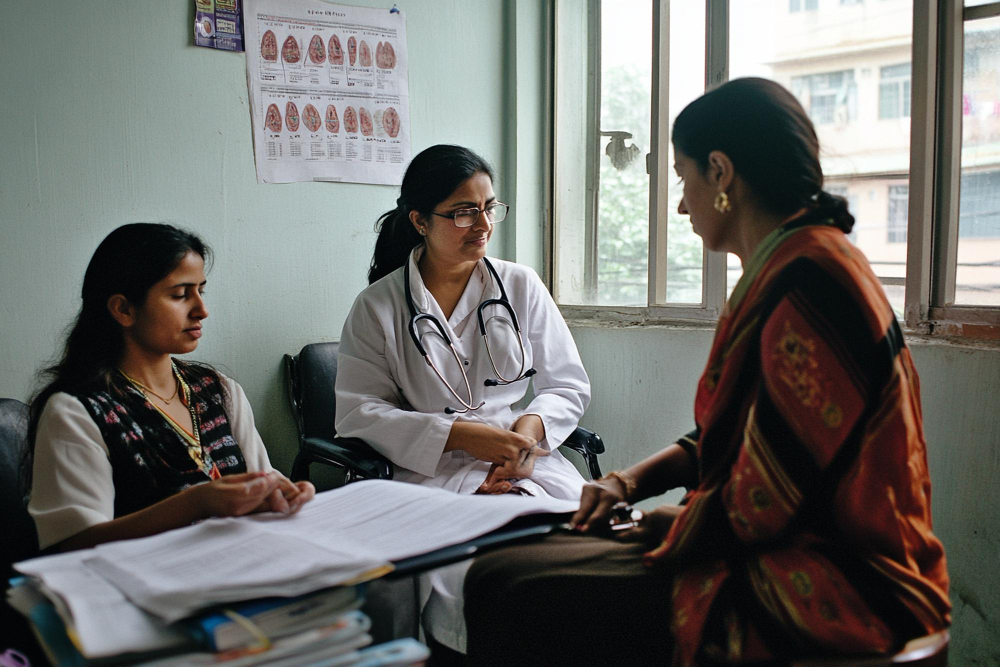
Introduction
Ghana, known for its vibrant culture and rich history, faces significant challenges in addressing women’s health issues. Despite progress over the years, women in Ghana continue to encounter unique health challenges that affect their overall well-being. In response, the government and various stakeholders have implemented reforms aimed at improving women’s health services and outcomes. This blog will explore the critical health issues faced by women in Ghana, recent reforms, their impacts, and the ongoing challenges that need to be addressed.
Historical Context
Women’s health in Ghana has long been a concern due to a myriad of factors, including socio-economic disparities, cultural norms, and inadequate access to healthcare services. Historically, issues such as maternal mortality, reproductive health, and infectious diseases have been prominent. Despite the challenges, the government, with the support of international organizations, has made strides to improve healthcare delivery for women.
The National Health Policy
The National Health Policy, introduced in the early 2000s, aimed to enhance healthcare access and quality for all Ghanaians, with a special focus on vulnerable populations, including women and children. Key initiatives within this policy framework include the Health Sector Program of Work and the Ghana Health Service (GHS) strategic plans, which emphasize maternal and child health.
Key Women’s Health Issues
Maternal Health
Maternal health remains a critical concern in Ghana, with the country experiencing a maternal mortality ratio of approximately 310 deaths per 100,000 live births as of recent estimates. Factors contributing to this high ratio include limited access to skilled birth attendants, inadequate prenatal care, and a lack of emergency obstetric services.
Reproductive Health
Access to reproductive health services is essential for women’s empowerment and well-being. However, many women in Ghana face challenges in accessing family planning services, sexual health education, and safe abortion services. Societal stigma and misinformation often exacerbate these challenges.
Non-Communicable Diseases (NCDs)
There is a growing burden of non-communicable diseases such as diabetes, hypertension, and cervical cancer among women in Ghana. Lifestyle changes, including diet and physical activity, have contributed to this trend, necessitating a more robust healthcare response.
Mental Health
Mental health issues are often overlooked in women’s health discussions. Women in Ghana face unique stressors, including gender-based violence, economic pressures, and societal expectations, leading to mental health challenges that require urgent attention.
Infectious Diseases
While Ghana has made significant strides in controlling infectious diseases such as HIV/AIDS and malaria, women remain disproportionately affected. The social stigma surrounding HIV/AIDS often hinders access to testing and treatment for women.
Recent Reforms
1. The National Health Insurance Scheme (NHIS)
Launched in 2003, the National Health Insurance Scheme (NHIS) aims to provide equitable access to quality healthcare services for all Ghanaians, particularly vulnerable groups such as women. The NHIS covers maternal and child health services, antenatal care, and family planning, enabling women to access essential healthcare without financial barriers. Recent reforms to the NHIS have focused on expanding coverage and improving service delivery, addressing gaps in maternal health services.
2. The Health Sector Medium Term Development Plan (HSMTDP)
The HSMTDP emphasizes the importance of reproductive and maternal health services. Under this plan, the government has invested in training healthcare providers, upgrading health facilities, and increasing awareness of women’s health issues. The integration of gender-responsive approaches in health service delivery has also been prioritized.
3. Community-Based Health Planning and Services (CHPS)
The CHPS program, introduced in 2000, aims to enhance access to healthcare services in rural communities. By deploying Community Health Officers (CHOs) to serve as primary healthcare providers, the program addresses the unique health needs of women and children. CHOs provide reproductive health education, family planning services, and maternal care, significantly improving health outcomes in underserved areas.
4. Family Planning Initiatives
Recent initiatives to promote family planning have been instrumental in empowering women to make informed reproductive health choices. The government has increased the availability of contraceptives and provided education on family planning methods, contributing to a decline in unmet needs for contraception among women.
5. Mental Health Policies
Recognizing the importance of mental health, the Ghanaian government has made efforts to integrate mental health services into primary healthcare. Initiatives aimed at raising awareness, reducing stigma, and providing support services have been introduced, particularly for women who may experience mental health challenges due to gender-based violence and societal pressures.
6. Education and Advocacy Programs
Education and advocacy programs targeting women’s health issues have gained momentum in Ghana. Organizations such as the Ghana Health Service and various non-governmental organizations (NGOs) have launched campaigns to raise awareness about reproductive health, maternal health, and mental health. These programs aim to empower women with knowledge and resources to make informed health decisions.
Impact of Reforms
The recent reforms aimed at improving women’s health in Ghana have led to significant positive outcomes:
Improved Access to Healthcare
The NHIS and CHPS initiatives have expanded access to healthcare services, particularly in rural areas where women historically faced barriers to care. Increased coverage of maternal and child health services has contributed to improved health outcomes.
Decline in Maternal Mortality
Although Ghana still faces challenges, the maternal mortality ratio has shown a declining trend over the years, attributed to better access to skilled birth attendants, antenatal care, and emergency obstetric services.
Enhanced Awareness and Education
Education and advocacy programs have played a crucial role in increasing awareness of women’s health issues. More women are seeking family planning services and utilizing maternal health services, reflecting a shift in attitudes toward reproductive health.
Improved Mental Health Services
The integration of mental health services into primary health care has increased access to support for women experiencing mental health challenges. Awareness campaigns have helped reduce stigma, encouraging more women to seek help.
Ongoing Challenges
Despite the progress made, several challenges remain in addressing women’s health issues in Ghana:
1. Healthcare Disparities
Significant disparities exist in healthcare access between urban and rural areas. Women in rural regions often face challenges such as transportation barriers, limited health facilities, and shortages of healthcare providers.
2. Cultural Norms and Stigma
Cultural beliefs and stigma surrounding reproductive health and mental health continue to hinder women’s access to necessary services. Traditional practices and societal expectations can create barriers to seeking care, particularly for issues like family planning and mental health.
3. Funding Constraints
While the government has made strides in healthcare funding, there are still constraints that limit the effectiveness of health programs. Sustainable financing is essential to ensure the continuity and expansion of women’s health initiatives.
4. Emerging Health Issues
As Ghana faces a dual burden of communicable and non-communicable diseases, addressing the unique health needs of women amidst these emerging challenges requires a comprehensive approach. Increased awareness and education about NCDs among women are crucial for early detection and management.
5. Lack of Comprehensive Data
A lack of comprehensive data on women’s health issues can hinder effective policy-making and resource allocation. More robust data collection and analysis are necessary to understand the full scope of women’s health challenges and monitor progress effectively.
Conclusion
Ghana’s journey toward improving women’s health is marked by significant reforms and positive outcomes, yet challenges remain. The commitment to enhancing maternal health, reproductive health, mental health, and addressing infectious diseases is crucial for the overall well-being of women in the country. Initiatives such as the NHIS, CHPS, and various advocacy programs have made considerable strides in increasing access and raising awareness.
However, ongoing challenges, including healthcare disparities, cultural stigma, and funding constraints, must be addressed to sustain and build upon these gains. As the government and stakeholders continue to work towards comprehensive solutions, innovative approaches like DocTrePat can play a pivotal role in bridging gaps in healthcare delivery. By leveraging technology and community engagement, initiatives like DocTrePat can enhance access to women’s health services, empower women with information, and foster an environment where all women in Ghana can achieve optimal health and well-being.
The path forward requires continued collaboration, investment in women’s health initiatives, and a commitment to addressing the unique challenges faced by women in Ghana. With persistent efforts, it is possible to create a healthier future for women, enabling them to thrive and contribute meaningfully to their communities.